If You Pay Cash, You Pay More — And That’s Not Fair.

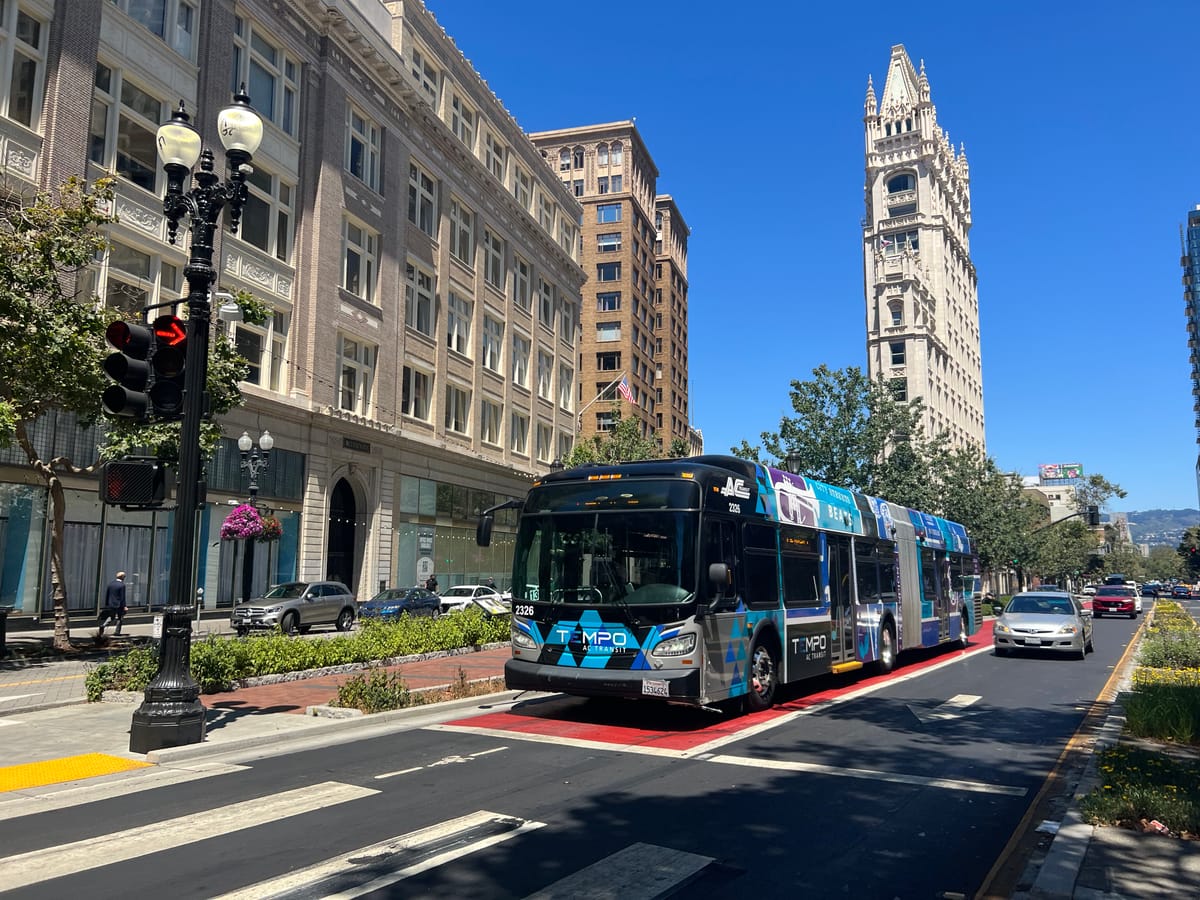
Starting December 10, big new fare improvements are coming to the Bay Area: free transfers, fare capping, and new ways to pay with Clipper. These are welcome changes that will make transit easier and more affordable for many riders.
If you take AC Transit to BART then transfer to Muni, your fare today is $9.10. With Clipper 2, the free AC and Muni transfers mean your fare will be just $3.90. With fare capping, riders pay single fares until they hit the cost-equivalent of a daily, weekly, or monthly pass, then the system stops charging and provides free rides for the rest of that period. If riders don’t hit their cap, there’s no wasted money; they’ll have only paid for what they used.
But there’s a catch: the free transfers and fare discounts are not equitably distributed.
Thousands of riders pay more simply because they pay with cash, and will not receive any of these new savings. Many unbanked or underbanked riders must pay in cash out of economic necessity. These riders would benefit the most from the new cost savings. The riders who pay with cash are more likely to be low-income, Black and Latino, and Clipper users are more likely to be white and higher-income.
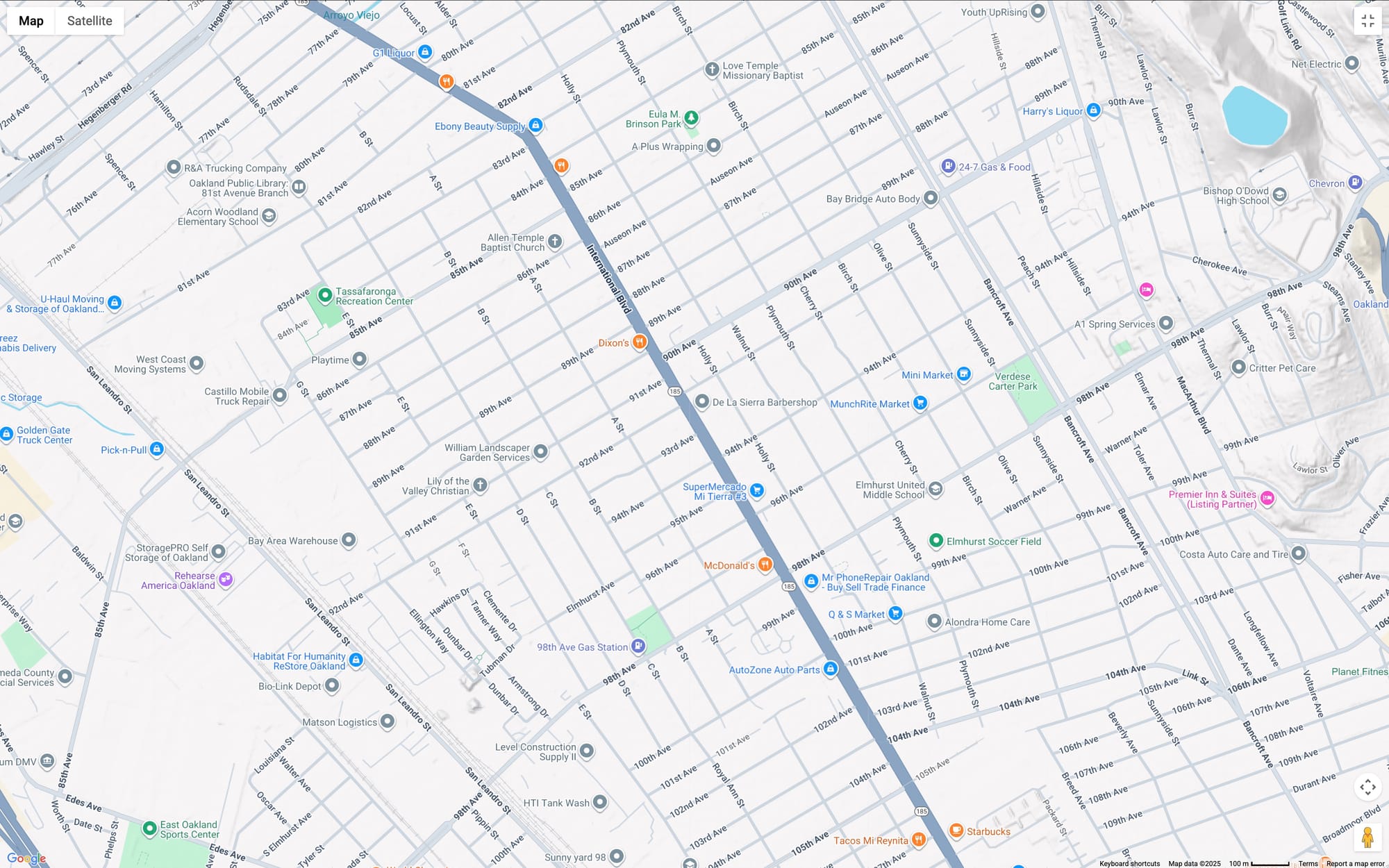
Helping our customers thrive means meeting them where they are with inclusive technologies. To balance modern fare collection innovations and support equitable mobility, the Metropolitan Transportation Commission must expand cash digitization, which allows unbanked riders to turn their cash into card-based or account-based digital credit. Today, there are huge gaps in where riders can digitize their cash by adding money to Clipper cards. As shown in this map from Clipper of deep East Oakland, there are zero locations to add money to Clipper cards in this historically segregated and marginalized part of Oakland.
Another issue is that in Clipper 2, AC Transit has a weekly fare cap for Clipper users but no way for riders who pay by cash to access a 7 day pass. Riders who pay by cash may struggle to have enough cash available to buy a monthly pass and would benefit from having the same opportunity as Clipper users to get unlimited trips for a week at a time.
When discounts and free transfers are not equitably distributed, we create a system where the riders with the fewest resources end up with the fewest benefits. That is fundamentally unfair, and it undermines both equity and financial sustainability.
As I wrote in my agenda planning request to the Board, the new regional fare reforms will save some riders money but will also exacerbate the existing fare gap between Clipper users and cash payers. Part of the problem now is that we don’t even know what percent of trips are not going to have access to the new Clipper benefits. We’re not sure exactly how many trips are in cash because of lack of clear data. In FY25, only 49% of AC Transit trips were paid with Clipper.
What we do know is that thousands of riders are missing out on newly available savings until we change course.
Why this matters for the future of AC Transit
A fair, modern fare system isn’t just about equity. It’s about growing ridership and strengthening revenue, too. Fare capping, free transfers, and predictable pricing work only when all riders can access them. And with Clipper 2, AC Transit will soon have better data than ever to help us understand how fare changes affect rider behavior and revenue.
But regional reforms alone aren’t enough. If we want Clipper benefits to reach the riders who take the most trips—and who stand to save the most—we must bring cash-paying riders into the system by making Clipper easy, accessible, and affordable.
What I’m calling for
At the December 10 AC Transit Board meeting, I am requesting to place this topic on an upcoming meeting agenda so the Board of Directors can consider this issue and direct staff to bring back a comprehensive analysis of fare policy options the Board could consider, including:
- Strategies to increase ridership, reduce barriers, and support seamless regional travel
- Options to strengthen revenue, including evaluating how current “short fares” and cash-paying patterns affect our bottom line
- Measures that improve equity, so low-income riders, unbanked riders, and riders of color are not excluded from benefits tied to Clipper.
- Options for the Metropolitan Transportation Commission to fund equity focused implementation activities—free Clipper cards, more cash-loading locations, multilingual outreach, and easier enrollment in reduced-fare programs
This analysis will give the Board the information necessary to choose a fare policy and advocacy actions to grow ridership, strengthen the agency’s financial future, and treat all riders fairly.
What comes next
If my request advances on December 10, 2025, the Board will discuss fare policy and consider taking action at an upcoming Board Meeting in early 2026. My priority is clear: a system where riders do not pay more simply because they earn less or lack access to banking.
The bottom line is this:
Transit should be easy to use. Savings should be easy to get. And every rider—no matter how they pay—deserves a fair deal.